I’ve been in the room when the technology decision gets made.
The first time I helped a company avoid a bad technology decision was 1996. They wanted to build a custom data warehouse from scratch. I told them it would take three times as long as they thought and cost four times what they budgeted. They built it anyway. I was right.
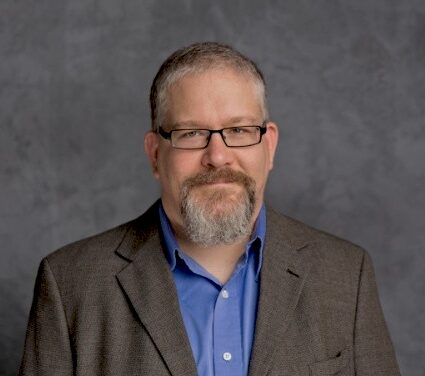
That’s been the pattern for 30 years. Companies making technology bets without enough clarity about what they’re getting into, what it’ll actually take, and how they’ll know if it’s working. The technologies change — data warehousing, business intelligence, cloud, digital transformation, now AI — but the decision-making problems don’t.
Today most of my work involves AI in some form. Not because I chased the trend, but because I’ve been working in machine learning and data science for years, and now everyone else needs to figure it out too. I have a doctorate in Information Systems focused on machine learning, NLP, and data science. I’ve worked with Fortune 500 companies and Series A startups across healthcare, finance, technology, and government.
What I’ve learned is that the technology is rarely the hard part. The hard part is knowing whether to build it in the first place, knowing when to kill it, and knowing whether it’s still working six months after launch.
That’s what I help with.
D.Sc. in Information Systems
Research focused on machine learning, NLP, and data science. Not just theory: the dissertation work directly informed how I evaluate AI systems for clients today.
Three decades in the room
From data warehousing in the ’90s to AI strategy today. Fortune 500 companies, Series A startups, and everything in between across healthcare, finance, technology, and government.
I’ve sat in your chair
I’ve held the CTO role and I know what it’s like to own the technology decision, manage the team, and answer to the board. My advice comes from having done the job, not just advised on it.
Give me a long drive and good light, and I’m happy. The photography →


Facing one of these decisions?
Four fixed-scope ways I help, from “should we build this?” to “is it still working?”
See the servicesFrequently Asked Questions
What's my background?
I'm Eric D. Brown, D.Sc., a fractional CTO and AI strategy consultant based in Denver, Colorado, with 30 years helping mid-market companies make better technology decisions. I'm also VP of Data Science at Moveris and the founder of Milky Way Planner.
What do I do?
I help leadership teams evaluate technology decisions before they get expensive, and diagnose the ones that already have. I work hands-on, building AI and data systems, writing code, and providing strategic guidance, not just advising.
What are my qualifications?
I hold a Doctor of Science (D.Sc.) in Information Systems from Dakota State University and have 30 years at the intersection of technology, data, and business, including CTO roles at Sundial Capital Research and Geekhive.
Where am I based?
I'm based in the mountains of Colorado, near Denver, and I work with clients remotely across the United States.
Am I a practitioner or just an advisor?
A practitioner. I still build models, test AI platforms, write code, and work with production systems, so my recommendations come from having built similar things.
Get my thinking in your inbox — one idea per issue, no spam.
Three a week: the Tuesday newsletter, Foto Friday, and Sunday’s Weekly Intel. No spam. Unsubscribe anytime.
Want to know more? Happy to answer questions or just talk about what you’re working on. Get in touch →
Colorado Front Range · In-person and remote · Schedule a call