I've been in the room when the technology decision gets made.
The first time I helped a company avoid a bad technology decision was 1996. They wanted to build a custom data warehouse from scratch. I told them it would take three times as long as they thought and cost four times what they budgeted. They built it anyway. I was right.
That’s been the pattern for 30 years. Companies making technology bets without enough clarity about what they’re getting into, what it’ll actually take, and how they’ll know if it’s working. The technologies change, from data warehousing, business intelligence, cloud, digital transformation, and now AI, but the decision-making problems don’t.
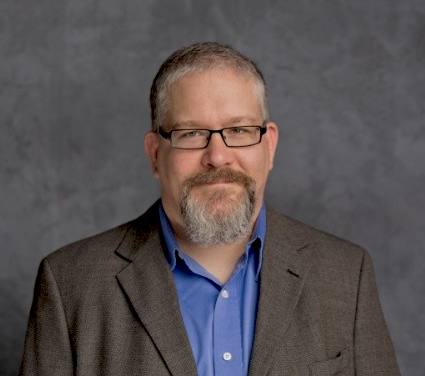
Today most of my work involves AI in some form. Not because I chased the trend, but because I’ve been working in machine learning and data science for years, and now everyone else needs to figure it out too. I have a doctorate in Information Systems focused on machine learning, NLP, and data science. I’ve worked with Fortune 500 companies and Series A startups across healthcare, finance, technology, and government.
What I’ve learned is that the technology is rarely the hard part. The hard part is knowing whether to build it in the first place, knowing when to kill it, and knowing whether it’s still working six months after launch.
That’s what I help with.
Business problem first. I ask about the business outcome before the technology. Half the time, the real problem is different from what the team thinks.
Direct answers. I’ll tell you if a spreadsheet solves it better than AI. I’ll tell you if the project should be killed. You’re paying for honesty, not comfort.
Written deliverables. Every engagement produces a document you can act on Monday morning — not a deck full of frameworks.
No lock-in. Fixed-scope, fixed-price. You get what you need and move on. If ongoing advisory makes sense, we can talk about it — but it’s never assumed.
First conversation — 30 minutes, no charge. You tell me what you’re facing, I’ll tell you whether I can help and what it would look like. No pitch, no pressure.
Scoping — If there’s a fit, I’ll send a one-page scope document within a few days. What I’ll do, what you’ll get, what it costs. No surprises.
The engagement — I work independently but stay close. Expect regular check-ins, not radio silence followed by a big reveal.
The deliverable — You get a written document you can act on immediately. Clear recommendations, not a menu of options for you to figure out.
Get my thinking in your inbox — one idea per issue, no spam.
Weekly-ish. No spam. Unsubscribe anytime.
Want to know more?
Happy to answer questions or just talk about what you're working on.